
A different way through conflict
You Can’t Control Their Side.
You Can Reclaim Yours.
Reclaim Respect helps teachers, parents and leaders step out of power struggles, hold clear boundaries and respond with greater clarity, confidence and connection — without trying to control the other person.

For Teachers
Step out of classroom power struggles, hold clear boundaries and respond to challenging behaviour without making respect dependent on student compliance.

For Parents
Move beyond recurring arguments and power struggles while staying clear in your role, your boundaries and your connection with your child.

For Leaders
Navigate difficult conversations, expectations and relationship tensions with greater clarity, ownership and calm authority.
When respect starts to feel like a struggle
What They're Doing Is Only
Part Of The Story
When someone’s behaviour feels disrespectful, challenging or out of line, it’s natural to focus on what they need to change. But that can pull us into a struggle over control — especially when our sense of authority, fairness or being respected starts to depend on their response.
We respond not only to the behaviour, but to the meaning we give it.
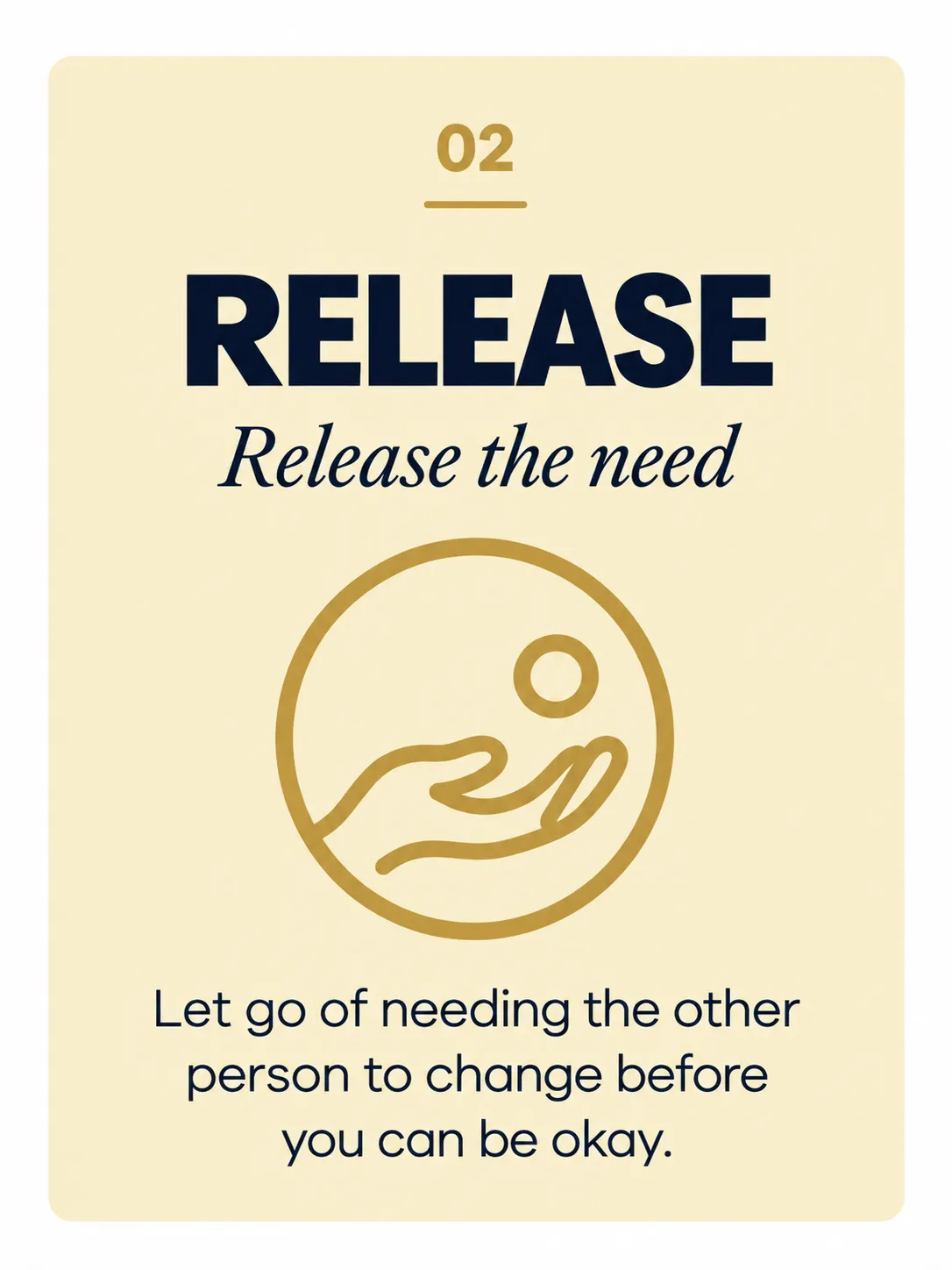
Expectations can quietly turn into requirements: “They need to change before I can be okay.”
The harder we try to regain control, the easier it is to become caught in a power struggle.

The Reclaim Respect Roadmap
Four Steps to Find Your Way Back
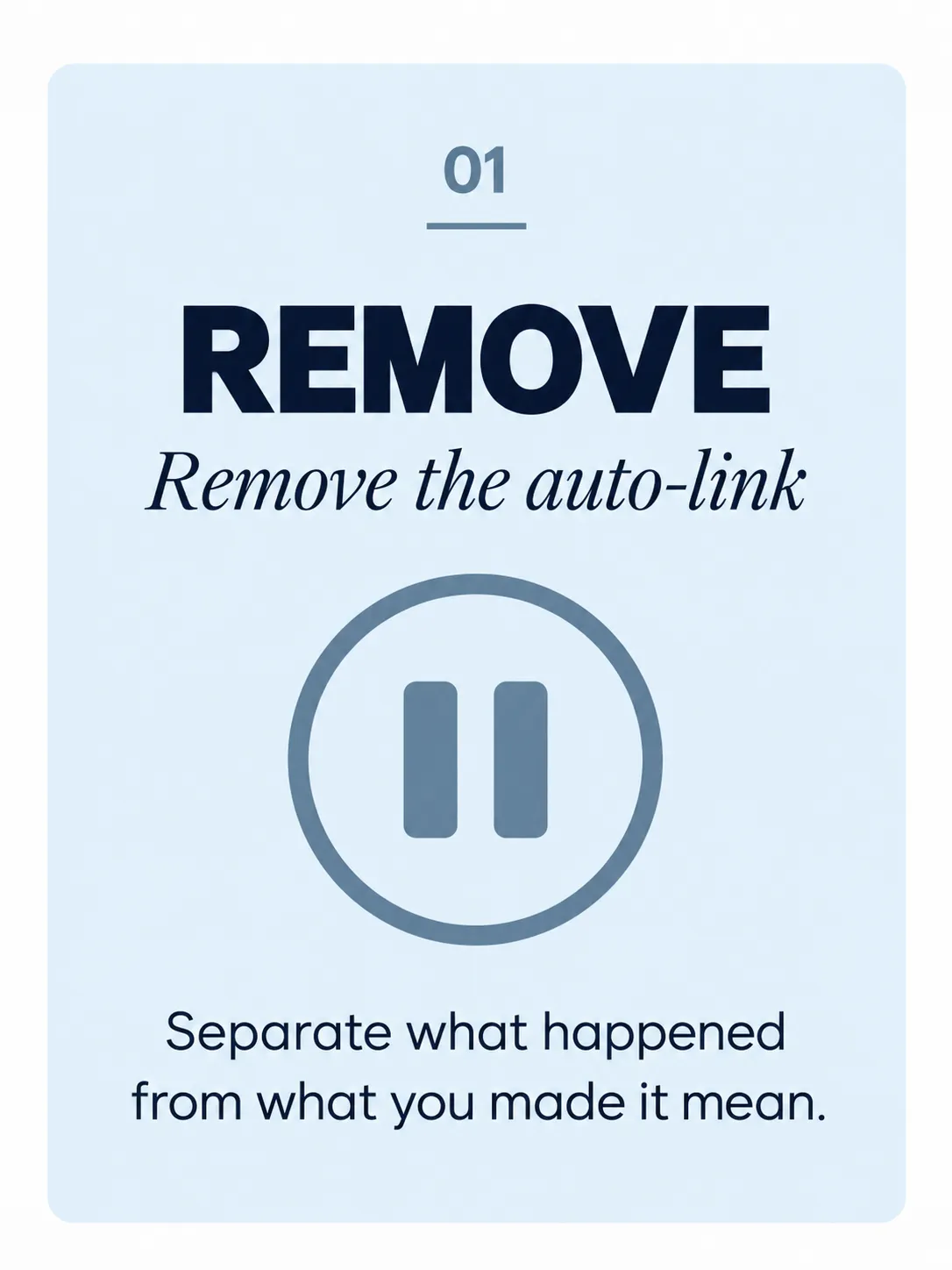
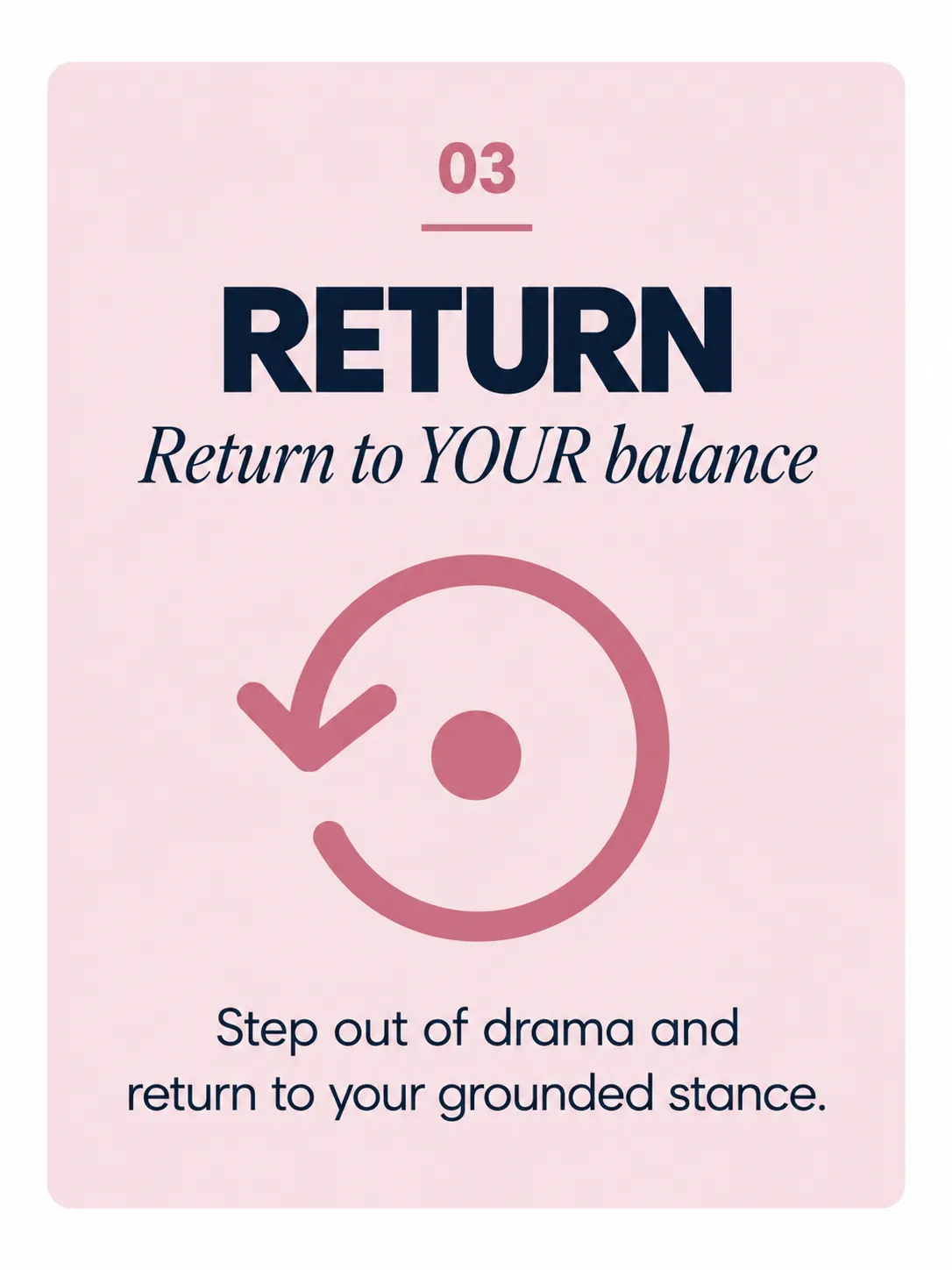
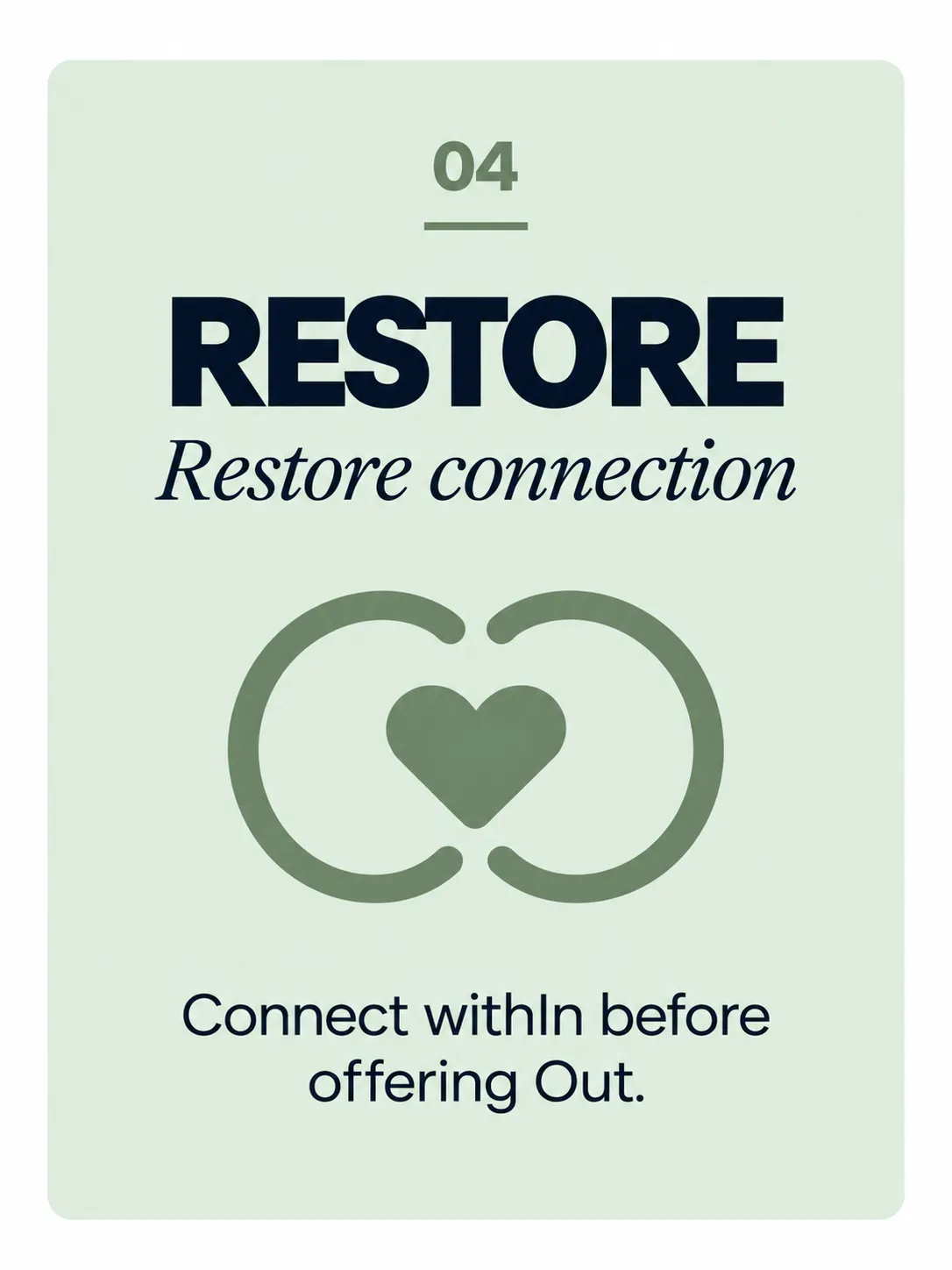
Reclaim Respect provides a practical pathway for moving from reactivity and power struggle back to clarity, balance and connection.
LESS REACTIVITY
More space before you respond
CLEARER BOUNDARIES
Know what is yours to hold
CALM AUTHORITY
Stand clearly without controlling
STRONGER CONNECTION
Reconnect without losing yourself
Respect without control
Let Go of Control -
Not Your Standards
Reclaiming your side of a relationship doesn’t mean becoming passive, lowering your expectations or accepting behaviour that isn’t okay. It means learning to hold your standards without making your own balance dependent on someone else meeting them.
Hold clear boundaries without needing the other person to agree with them.
Allow their response to belong to them without abandoning your own role or responsibility.
Stay open to connection without giving up your values, authority or self-respect.

Clear boundaries and connection can exist at the same time.
A different way to think about respect
Reclaim Respect doesn’t teach you how to control someone else’s behaviour. It helps you understand what happens on your side of the relationship — and what you can do with it.
Not Behaviour Control
The goal isn’t to make another person comply. It’s to respond clearly and effectively even when they don’t.
Not Giving In
Releasing control doesn’t mean abandoning expectations, standards, boundaries or responsibility.

Not Emotional Detachment
The aim isn’t to stop caring. It’s to stay connected without losing your own balance, authority or sense of self.
Ready to explore your side?
Where does respect feel difficult right now?
Choose the Reclaim Respect pathway that fits the relationship you want to strengthen.



A few things you might be wondering
Frequently Asked Questions
Reclaim Respect takes a different approach to conflict, boundaries and authority. Here are a few of the questions that naturally come with that.
1. Does Reclaim Respect mean accepting disrespectful behaviour?
No. Reclaim Respect doesn’t ask you to tolerate inappropriate behaviour or lower your standards. It helps you hold boundaries and respond clearly without making your own balance depend on the other person complying.
2. What if the other person doesn’t change?
Reclaim Respect starts with the reality that you can’t control another person’s choices. The focus is on what you can change on your side of the relationship: your reactions, expectations, boundaries, responses and decisions.
3. Does letting go of control mean giving up authority?
No. The aim is not to become passive. It is to hold appropriate authority without relying on force, escalation or power struggles.
4. Is Reclaim Respect about avoiding conflict?
No. Difficult conversations, limits and firm decisions may still be necessary. The difference is learning to approach them with greater clarity and less reactivity.
5. How is Reclaim Respect different from behaviour management?
Behaviour-management approaches often focus on changing the other person’s behaviour. Reclaim Respect begins with what is happening on your side of the relationship and what you can do there, regardless of whether the other person changes.
6. What are the four stages of Reclaim Respect?
The roadmap moves through Remove > Release > Return > Restore — reclaiming your space, emotional power, sense of personal control, and connection to yourself.
7. Do I need to be in serious conflict to benefit from Reclaim Respect?
No. The framework can also be useful for recurring tension, frustration, difficult conversations, boundary issues or relationship patterns that keep repeating.
8. When should I NOT use Reclaim Respect as my main approach to conflict?
Reclaim Respect is designed for relationship conflict, reactivity and power struggles — not situations where immediate safety or formal intervention needs to come first.
If there is violence, abuse, coercion, harassment, serious misconduct, a significant safety risk, or a legal, safeguarding or professional obligation to act, the priority is appropriate protection, reporting and support.
Reclaim Respect may still help you work with your side of what you are experiencing, but it should never be used to excuse harmful behaviour, avoid necessary action or maintain connection at the expense of safety.
Know what to do with your side;
find your way back.


Choose Your Path
For Teachers
For Parents
For Leaders
© Copyright 2026 Reclaim Respect • Privacy Policy • Terms & Conditions • Disclaimer